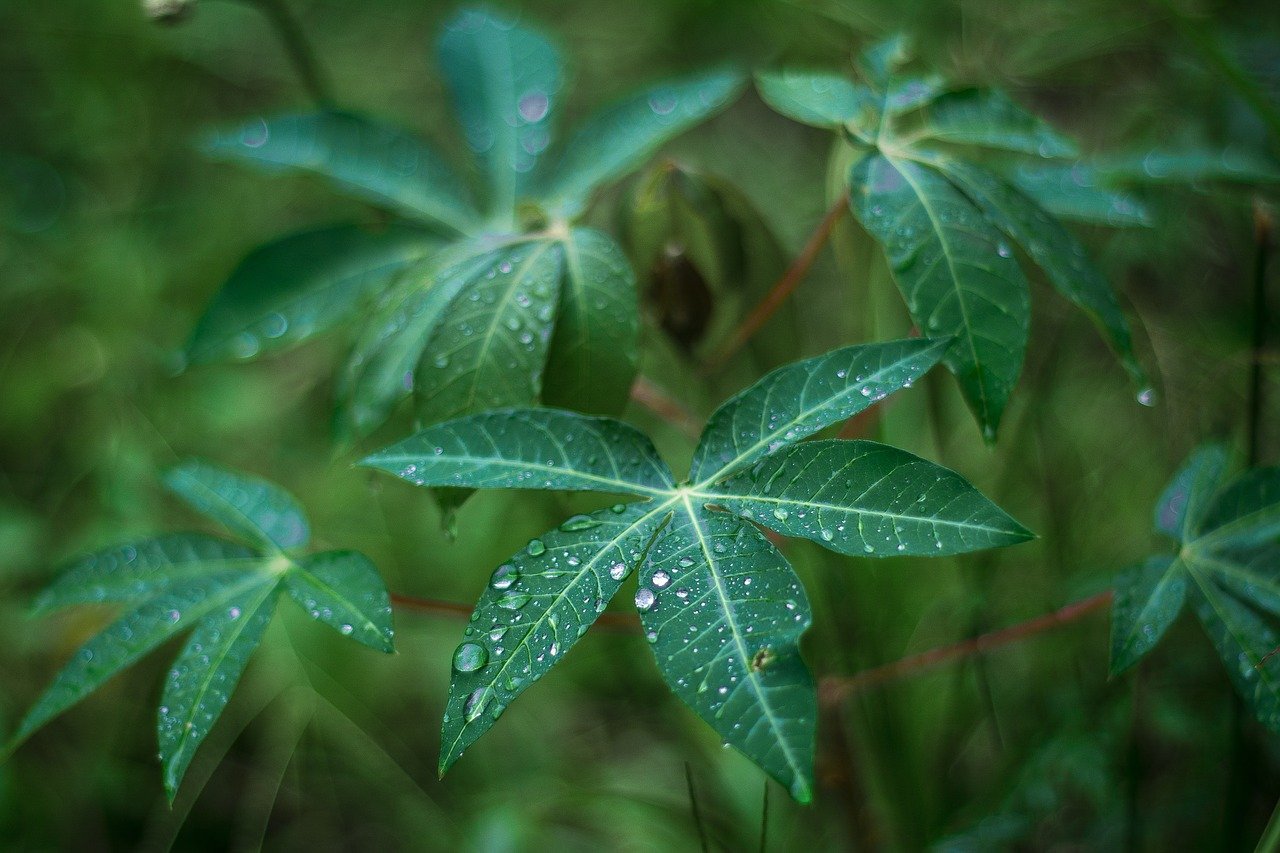
If you’re staring at the name of the blog – Aipim, and wondering what it means we can give you one of two answers:
- we can translate the word – aipim is the Portuguese word for cassava, or
- we can tell you that it’s a project started by two friends to talk about Brazilian food history and culinary.
Very little is known about Brazilian food outside our country’s borders, or the kitchens of my fellow countryman who live abroad. Many people I come across might know about ‘feijoada‘, or Brazilian barbecued meats as the latter is found in many Brazilian restaurants spread around the world. Apart from that, unless people have visited the country not much is known.
Brazilian cuisine is multifaceted, with numerous regional variations, and influenced by the colonizers and waves of travellers explored the country throughout its history. Its common elements are found more in the ingredients we share as a nation, than necessarily in the dishes prepared across the country. This posed a big challenge for us when deciding how to talk about the nation’s culinary history.
We asked ourselves if we should take a somehow chronological view on how the nation has been eating, or whether we should present it from the point of view of our native people. In the end, we’ve chosen to do that through Brazil iconic ingredients. The ingredients that are in the core of the nation are eating habits, starting with the ones that cross the length and breadth of the country, that have a shared nation DNA.
We’d like to take you on a journey through Brazil gastronomic makeup, and each ingredient might take you north, south, east and/or west. We also plan to show you the different ethnicities, different regions, and various usages of an ingredient – be it due to climate or heritage.
The journey will start with our leading lady, the cassava or manioc as it’s known in English. Some people also know it as yucca. This ingredient was so important to our indigenous people that it ended up being taken by the Portuguese from our soil and eventually exported to Europe, Africa and other parts of the world. This lady had a fascinating trajectory.
Leave a Reply